
FORGOT YOUR DETAILS?

Bridging the Mind and the Medicine: The Intersection of Animal Behavior and Veterinary Science

The story of veterinary science is a journey from viewing animals as simple "automata" driven by instinct to recognizing them as complex, feeling beings with unique personalities. The Evolution of the Field

  1. Behavioral medicine: Veterinary professionals use behavioral medicine to diagnose and treat behavioral problems, such as anxiety disorders, phobias, and compulsive behaviors.
  2. Pain management: Understanding animal behavior helps veterinary professionals recognize pain and develop effective pain management plans.
  3. Geriatric care: As animals age, their behavior and cognitive abilities may change. Veterinary professionals need to understand these changes to provide optimal care.
  4. Rehabilitation and physical therapy: Animal behavior principles are applied in rehabilitation and physical therapy to help animals recover from injury or surgery.

Keywords integrated: animal behavior, veterinary science, Fear-Free, veterinary behaviorist, Canine Cognitive Dysfunction, stress-induced illness, low-stress handling.

  • Teledentistry and telebehavior: Remote video analysis reduces stress of clinic visits.
  • Biomarkers of stress: Salivary cortisol and heart rate variability (HRV) wearables for home monitoring.
  • One Behavior, One Health: Recognizing that human-animal bond dynamics (e.g., owner depression leading to pet neglect) require joint medical-behavioral intervention.

Introduction

The intersection of animal behavior veterinary science has evolved from treating behavioral issues as a "last resort" to integrating them into core medical diagnostics and holistic care. In 2026, researchers and clinicians are increasingly recognizing that an animal’s conduct is a direct "output" of their physical health, leading to breakthroughs in how we treat everything from chronic anxiety to complex internal diseases. 1. Behavior as a Diagnostic Tool

Veterinary professionals use behavior to monitor health and identify underlying medical issues. Common behaviors and problems addressed include:

The Future: Predictive Analytics and Zoological Medicine

Looking ahead, the integration of behavior and veterinary science is moving into the digital realm. Wearable technology for livestock and pets (e.g., FitBark, Whistle, or dairy farm monitoring collars) uses accelerometers to track subtle changes in motor activity and sleep patterns.


Www.zoophilia.tv Sex Animal An Aerogauge Christie G ❲LATEST 2027❳

Bridging the Mind and the Medicine: The Intersection of Animal Behavior and Veterinary Science

The story of veterinary science is a journey from viewing animals as simple "automata" driven by instinct to recognizing them as complex, feeling beings with unique personalities. The Evolution of the Field Www.zoophilia.tv Sex Animal An Aerogauge Christie G

  1. Behavioral medicine: Veterinary professionals use behavioral medicine to diagnose and treat behavioral problems, such as anxiety disorders, phobias, and compulsive behaviors.
  2. Pain management: Understanding animal behavior helps veterinary professionals recognize pain and develop effective pain management plans.
  3. Geriatric care: As animals age, their behavior and cognitive abilities may change. Veterinary professionals need to understand these changes to provide optimal care.
  4. Rehabilitation and physical therapy: Animal behavior principles are applied in rehabilitation and physical therapy to help animals recover from injury or surgery.

Keywords integrated: animal behavior, veterinary science, Fear-Free, veterinary behaviorist, Canine Cognitive Dysfunction, stress-induced illness, low-stress handling. Bridging the Mind and the Medicine: The Intersection

  • Teledentistry and telebehavior: Remote video analysis reduces stress of clinic visits.
  • Biomarkers of stress: Salivary cortisol and heart rate variability (HRV) wearables for home monitoring.
  • One Behavior, One Health: Recognizing that human-animal bond dynamics (e.g., owner depression leading to pet neglect) require joint medical-behavioral intervention.

Introduction

The intersection of animal behavior veterinary science has evolved from treating behavioral issues as a "last resort" to integrating them into core medical diagnostics and holistic care. In 2026, researchers and clinicians are increasingly recognizing that an animal’s conduct is a direct "output" of their physical health, leading to breakthroughs in how we treat everything from chronic anxiety to complex internal diseases. 1. Behavior as a Diagnostic Tool Keywords integrated: animal behavior

Veterinary professionals use behavior to monitor health and identify underlying medical issues. Common behaviors and problems addressed include:

The Future: Predictive Analytics and Zoological Medicine

Looking ahead, the integration of behavior and veterinary science is moving into the digital realm. Wearable technology for livestock and pets (e.g., FitBark, Whistle, or dairy farm monitoring collars) uses accelerometers to track subtle changes in motor activity and sleep patterns.

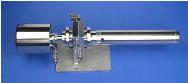
Product Description

  • Particle distribution by major, minor diameter, area, perimeter
  • Correlates to sieves
  • Real time particle size analysis
  • Excel data format available

Product Inquiry

You may also like…

TOP