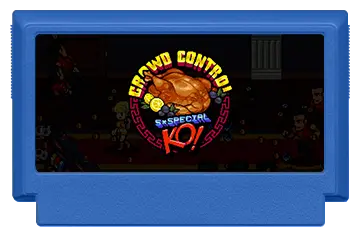
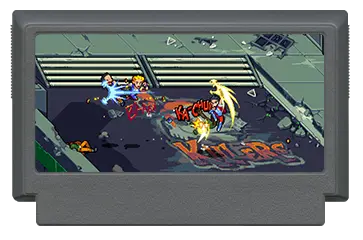
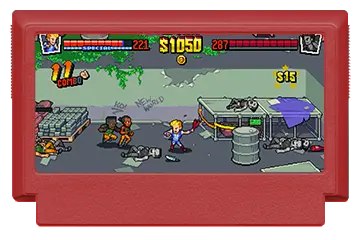
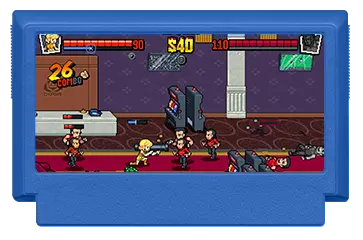
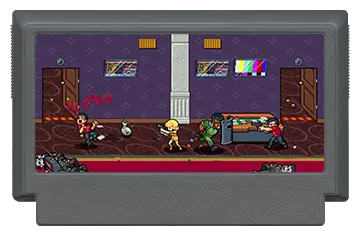
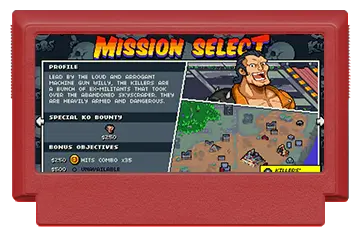
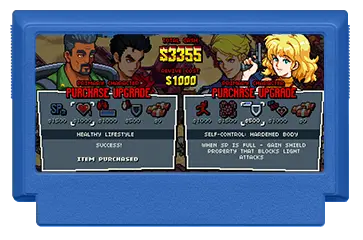
Prepare to throw down the Double Dragon way in this fresh addition to the iconic beat 'em up franchise. It's the year 199X, and nuclear war has devastated New York City leaving its citizens to fight for survival as riots and crime engulf the streets. The city has been overtaken by criminal gangs who terrorize its ruins as they fight for total dominance. Unwilling to endure these conditions any longer, young Billy and Jimmy Lee take it upon themselves to drive the gangs out of their city.
At first glance, the Japanese phrase “Gomu o tsukete to iimashita yo” (ゴムをつけてい言いましたよ) appears deceptively simple. A direct, word-for-word translation yields something like, “He/she said to put on the rubber/eraser.” However, this phrase is a fascinating case study in the importance of context, homonyms, social hierarchy, and reported speech in Japanese. It highlights how a seemingly innocuous sentence can carry vastly different meanings—from a mundane classroom instruction to a serious warning about safe sex or industrial safety—depending entirely on the unspoken situation. This essay will explore the lexical ambiguity, grammatical structure, and pragmatic usage of the phrase to demonstrate why such utterances require careful cultural and situational interpretation.
「ゴムをつけてと言いましたよ」 is a deceptively simple sentence that reveals much about Japanese directive speech acts, contextual ambiguity, and interpersonal dynamics. Its meaning shifts dramatically with setting and relationship, but in common parlance, it most frequently serves as a reminder about sexual health precautions — often carrying a tone of mild frustration or unmet expectation. gomu o tsukete to iimashita yo
So the next time you reach for an eraser, remember: In Japanese, silence the keshi at your own peril. And never, ever tell someone you already told them to put on the rubber—unless you absolutely mean it. “Gomu o Tsukete to Iimashita yo”: A Study
Natural English equivalent: “I told you to use a condom.” or “I did say to put a condom on.” This essay will explore the lexical ambiguity, grammatical
Interested in covering Double Dragon Gaiden or want to apply for a review copy?
Get in touch with us.