Aegis 152ta Driver Work Link (2024)
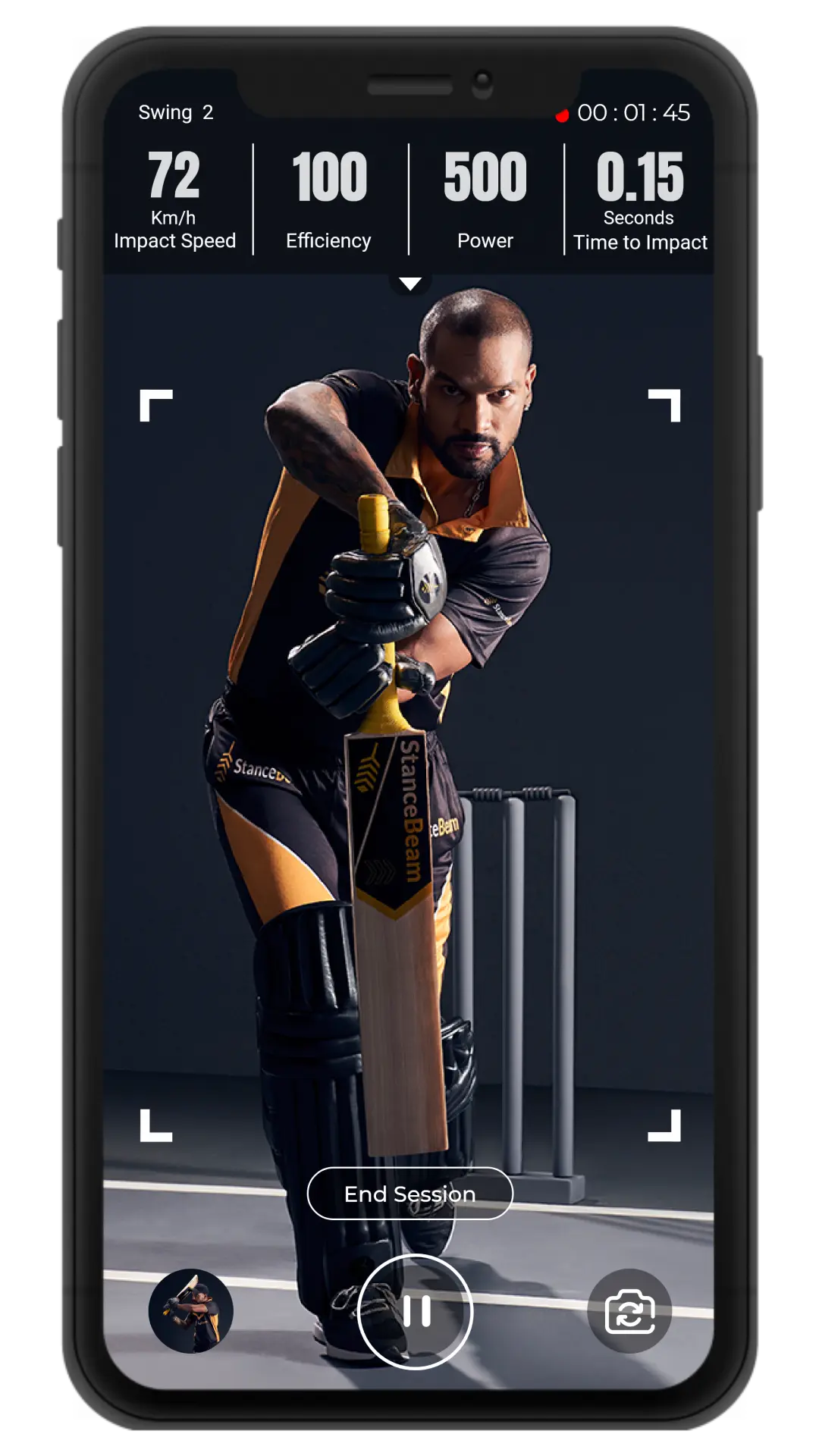
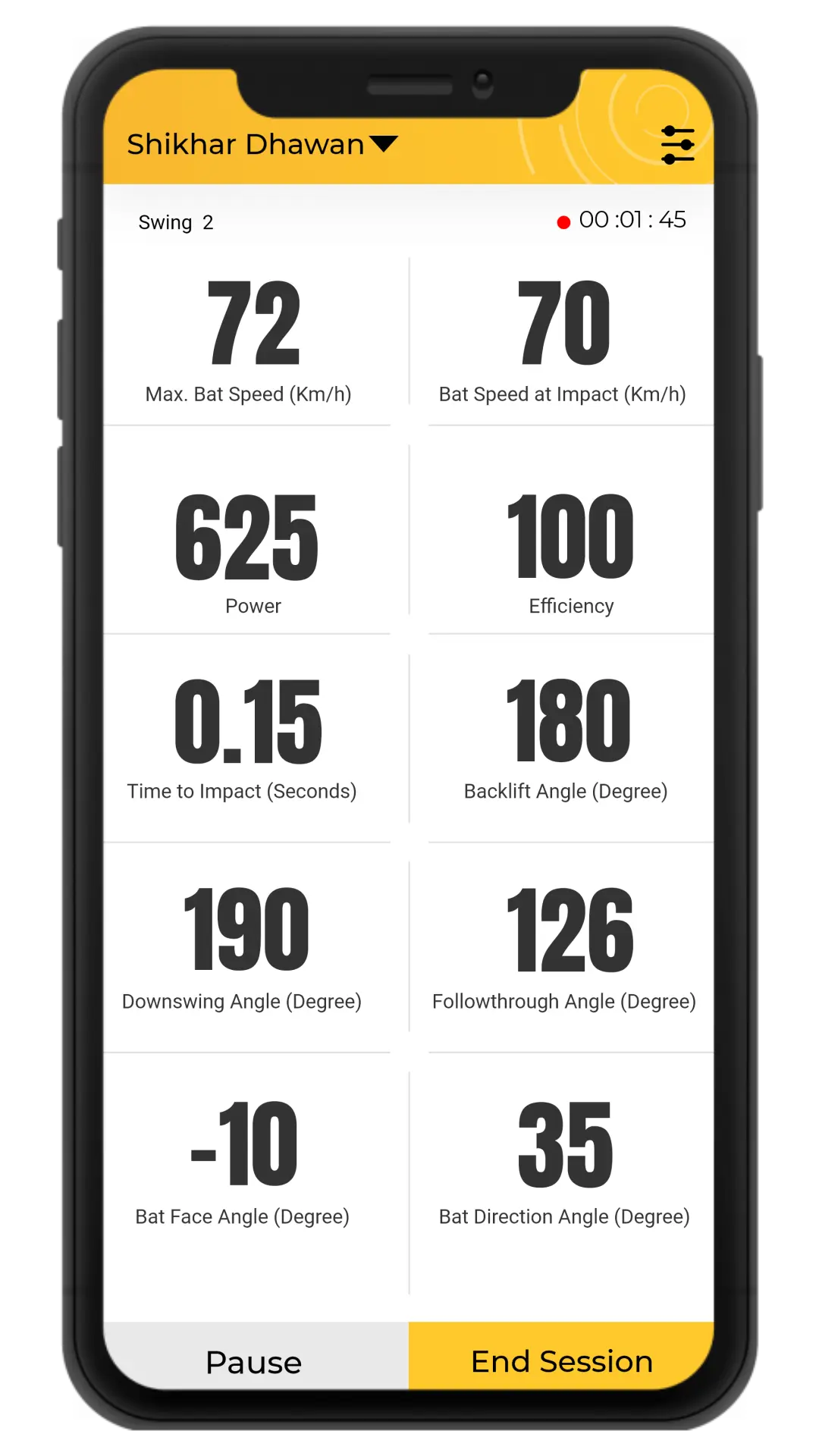
The StanceBeam app is the soul of the interactions with StanceBeam Striker - Smart Cricket Bat Sensor


Swipe up to learn more
The StanceBeam app is the soul of the interactions with StanceBeam Striker - Smart Cricket Bat Sensor
Swipe up to learn more
This handbook assembles a focused, practical guide on the Aegis 152TA driver work: what it is, how it functions, troubleshooting, tuning, performance testing, integration, and maintenance. I assume “Aegis 152TA” refers to a hardware driver (PCI/board or embedded audio/comm/industrial device driver) named or codenamed “Aegis 152TA.” If you meant a different product, reply and I’ll adapt. The guide covers design goals, driver architecture, key interfaces, installation, diagnostics, instrumentation, optimization, and best practices for production deployments.
The Aegis 152TA is a specialized device, often associated with secure data solutions, industrial interfaces, or legacy communication hardware. Ensuring your Aegis 152TA driver works correctly is critical for maintaining a stable connection between your hardware and the operating system. Troubleshooting and Installation Guide
Silence. He watched the thermal overlay. Three minutes of tension. Then, a sliver of light flickered from a grate a hundred meters away. Four figures emerged, covered in ash and shame. The smallest one was clutching a ragged doll.
The driver serves as the communication bridge between the operating system and the 152TA hardware. Its primary function is to translate high-level software commands into machine-level instructions the hardware can execute. Key Functional Components
Logs/screenshots I can attach: Device Manager entry, Driver details tab, Event Viewer error entries, setupapi.dev.log snippet. What specific lines would help you diagnose?
Calibrate: After installation, open the "Touch Tool" or "Alignment" utility from your Control Panel. Follow the on-screen prompts to touch the target points (4-point or 9-point calibration) to ensure the cursor follows your finger accurately. 4. Troubleshooting
This handbook assembles a focused, practical guide on the Aegis 152TA driver work: what it is, how it functions, troubleshooting, tuning, performance testing, integration, and maintenance. I assume “Aegis 152TA” refers to a hardware driver (PCI/board or embedded audio/comm/industrial device driver) named or codenamed “Aegis 152TA.” If you meant a different product, reply and I’ll adapt. The guide covers design goals, driver architecture, key interfaces, installation, diagnostics, instrumentation, optimization, and best practices for production deployments.
The Aegis 152TA is a specialized device, often associated with secure data solutions, industrial interfaces, or legacy communication hardware. Ensuring your Aegis 152TA driver works correctly is critical for maintaining a stable connection between your hardware and the operating system. Troubleshooting and Installation Guide aegis 152ta driver work
Silence. He watched the thermal overlay. Three minutes of tension. Then, a sliver of light flickered from a grate a hundred meters away. Four figures emerged, covered in ash and shame. The smallest one was clutching a ragged doll. Aegis 152TA Driver — Practical Handbook This handbook
The driver serves as the communication bridge between the operating system and the 152TA hardware. Its primary function is to translate high-level software commands into machine-level instructions the hardware can execute. Key Functional Components Excessive softirq or processing due to small batches;
Logs/screenshots I can attach: Device Manager entry, Driver details tab, Event Viewer error entries, setupapi.dev.log snippet. What specific lines would help you diagnose?
Calibrate: After installation, open the "Touch Tool" or "Alignment" utility from your Control Panel. Follow the on-screen prompts to touch the target points (4-point or 9-point calibration) to ensure the cursor follows your finger accurately. 4. Troubleshooting